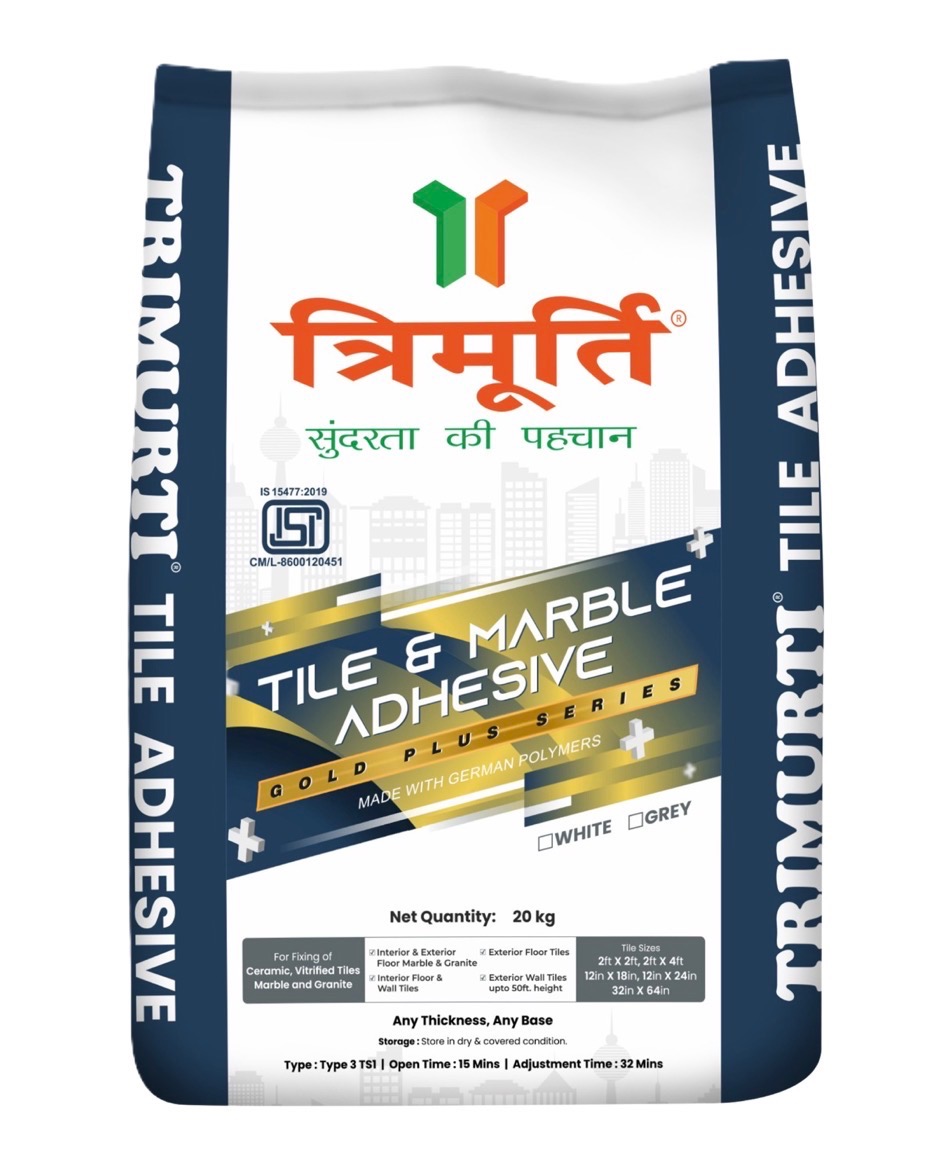
The success of a tiled surface is often judged by its appearance, but its true quality is determined by what lies beneath. A floor or wall may look flawless on the day of installation, yet its long-term performance depends on the materials used during the construction process. This is why modern builders increasingly rely on advanced tile adhesives that help create stronger bonds and more durable installations.
Whether in residential homes, office buildings, shopping centers, or hospitality spaces, tiles are expected to remain stable and visually appealing for many years. Achieving this level of durability requires careful planning, proper surface preparation, and the use of materials designed to withstand environmental and structural challenges.
Understanding the role of installation materials helps property owners make better decisions while giving construction professionals the tools needed to deliver reliable results.
The Evolution of Modern Tile Installation
Tile installation has changed significantly over the years. Traditional methods relied heavily on cement mortar, which often produced inconsistent results depending on site conditions and workmanship.
As architectural designs became more sophisticated, the need for better installation systems increased. Large-format tiles, thinner profiles, and complex layouts demanded materials capable of providing stronger adhesion and greater flexibility.
Modern bonding technologies emerged to address these challenges. These solutions help improve installation precision while reducing common issues such as hollow spots, uneven support, and tile displacement.
Bond Strength Influences Durability
Tiles experience constant pressure from foot traffic, furniture, equipment, and environmental changes. The bonding layer must be capable of handling these stresses without weakening over time.
This is one reason why construction professionals carefully evaluate the best adhesive for tiles in India when planning projects that require long-term performance. The right bonding solution provides reliable adhesion while helping the installation adapt to minor structural movement.
Strong bonding systems reduce the likelihood of tiles becoming loose or developing hollow sounds beneath the surface. They also improve resistance against temperature fluctuations that can cause expansion and contraction within the building structure.
Environmental Conditions Affect Performance
Every building faces environmental influences that can impact tile installations. Moisture, temperature changes, humidity levels, and structural movement all place stress on flooring and wall systems.
Bathrooms and kitchens frequently encounter moisture exposure, while balconies and exterior walls face changing weather conditions throughout the year. Commercial spaces may experience heavy traffic that creates continuous mechanical pressure.
Installation materials must be selected with these conditions in mind. Products designed for one environment may not perform equally well in another.
Precision Matters During Application
Even the highest-quality materials require proper application techniques to achieve their full potential. Skilled installation plays a major role in determining how well a tiled surface performs over time.
Accurate material mixing, correct layer thickness, and proper tile placement all contribute to the strength of the finished installation. Rushing any stage of the process can create weaknesses that eventually lead to repairs.
Professional installers follow detailed procedures because they recognize that small mistakes often produce large consequences months or years later. Careful execution ensures that every component of the installation system works together effectively.
Coordinating Walls And Tiles Effectively
Tile installation is often closely connected to wall finishing work. Smooth and stable wall surfaces make tile alignment easier while improving the overall visual appearance of the project.
When walls are properly prepared, installers can achieve more accurate layouts and cleaner transitions between surfaces. This coordination becomes especially important in bathrooms, kitchens, and decorative interior applications.
Construction professionals frequently consider factors such as Trimurti wall putty price when evaluating wall preparation materials because surface quality directly influences the appearance of finished tiled areas. A well-coordinated approach helps create interiors that look polished while maintaining long-term durability.
Reducing Maintenance Through Better Materials
One of the primary goals of modern construction is minimizing future maintenance requirements. Property owners increasingly seek solutions that provide reliable performance without frequent repairs.
Advanced installation materials contribute to this objective by improving adhesion, reducing cracking, and enhancing resistance against environmental stress. Stronger installations require fewer interventions and maintain their appearance for longer periods.
Lower maintenance requirements benefit both residential and commercial properties by reducing long-term operating costs and minimizing disruptions caused by repair work. Durable construction systems ultimately provide better value throughout the life of a building.
Modern Designs Require Better Support
Architectural trends continue pushing the boundaries of tile design. Large-format tiles, seamless finishes, and intricate layouts create stunning visual effects but also place greater demands on installation systems.
These designs require materials capable of providing consistent support across larger surface areas. Even minor installation inconsistencies can become highly visible when working with contemporary tile formats.
Modern bonding solutions help installers achieve the precision needed for today's design expectations while maintaining structural reliability. As architectural creativity continues expanding, installation technology must evolve alongside it.
Long Term Value Comes From Planning
Successful construction projects rarely depend on a single product or technique. Instead, they result from thoughtful planning and careful coordination between materials, workmanship, and environmental considerations.
Choosing installation materials based solely on initial cost often leads to greater expenses later. Long-term value comes from selecting solutions that provide dependable performance throughout the life of the building.
Builders who prioritize durability during the planning stage typically achieve better outcomes and lower maintenance costs over time. This approach reflects a growing emphasis on lifecycle performance rather than short-term savings.
Conclusion
Modern tile installation is a combination of planning, preparation, material science, and skilled execution. Strong bonding systems, stable surfaces, and proper application techniques all play important roles in determining long-term performance.
The growing use of advanced tile adhesives reflects the industry's focus on creating stronger and more dependable tiled surfaces. By selecting suitable materials and following proven installation practices, builders can deliver projects that remain attractive and durable for years.
As construction standards continue evolving, Trimurti Products remains part of this progress by supporting professionals with solutions designed to enhance quality, efficiency, and long-term building performance.