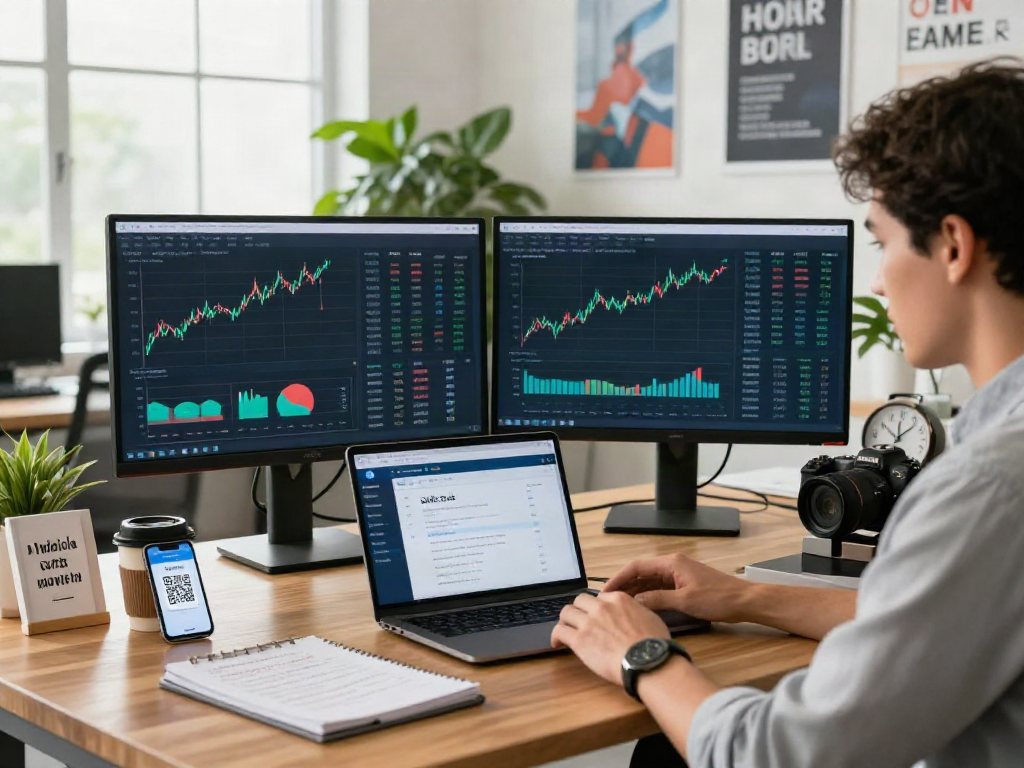
Understanding Digital Finance: The Future of Investment
As the world rapidly evolves into a digital society, the finance sector experiences a transformative shift that alters how we invest, save, and manage wealth. Digital finance encompasses a range of financial activities that occur via digital platforms, including cryptocurrencies, peer-to-peer lending, and crowdfunding. With the convenience of mobile applications and online services, these innovations disrupt traditional financial systems and offer exciting new opportunities for individual and institutional investors alike. For those looking to explore the latest developments in this field, https://www.mpocash.net/ serves as a comprehensive resource.
What is Digital Finance?
Digital finance refers to any financial service that utilizes digital technology. This can range from online banking to investment platforms that leverage blockchain technology to facilitate smoother transactions. The advent of digital finance allows for more accessible financial services and greater transparency, catering to a broad spectrum of customers from everyday individuals to institutional investors.
Key Trends Shaping the Industry
- Decentralized Finance (DeFi): DeFi projects are disrupting traditional finance by allowing users to access financial services without intermediaries, using smart contracts.
- Regulatory Changes: Governments worldwide are increasingly developing regulations to govern digital finance, which impacts investor behavior and market dynamics.
- Increased Use of Artificial Intelligence: AI is being used to analyze market trends, assess risks, and even automate trading strategies.
- Mobile Payment Solutions: The rise of mobile wallets and payment apps has made it easier for millions to manage their finances directly from their smartphones.
Understanding the Role of Cryptocurrency
Cryptocurrency has emerged as a significant component of digital finance, acting as both an investment asset and a medium of exchange. Bitcoin, Ethereum, and many other altcoins have gained traction among investors due to their potential for high returns and the underlying technology that supports them. Furthermore, the rise of Non-Fungible Tokens (NFTs) illustrates how digital assets can be uniquely owned and traded.
Navigating Investment Platforms: Key Features and Benefits
As digital finance continues to mature, choosing the right investment platform is crucial for maximized returns. Today, platforms can vary dramatically in terms of features, security measures, and user experience. Understanding these aspects will enable you to navigate your options effectively.
Choosing the Right Platform for Your Needs
Selecting an investment platform should align with your financial goals and experience. Look for platforms that offer a user-friendly interface, robust analytical tools, and various asset options. Factors such as fee structure, withdrawal limits, and customer support can significantly affect your overall experience.
Security Measures: Protecting Your Digital Assets
Security should be a top priority when working with digital finance platforms. Ensure that the platform uses encryption, two-factor authentication, and regular security audits to protect your sensitive data and digital assets. Always verify the platform's compliance with regulatory standards to gain more confidence in their operational integrity.
User Experience and Interface Importance
An intuitive user interface enhances your investment experience significantly. Platforms should offer clear navigation, accessible information, and responsive customer support to assist with any inquiries. A well-designed user experience can streamline trading and improve decision-making processes.
Investment Strategies: How to Maximize Returns
Successful investing requires not just understanding the market but also employing effective strategies. Here, we delve into various methods to help you optimize your portfolio in digital finance.
Fundamental vs. Technical Analysis
Fundamental analysis involves evaluating the intrinsic value of an asset by examining related economic, financial, and other qualitative and quantitative factors. Technical analysis, on the other hand, focuses on statistical trends resulting from historical price movements. Utilizing a combination of both can provide a more comprehensive view of the investment landscape.
Diversification in a Digital Portfolio
Diversification mitigates risk by spreading investments across various asset classes. In digital finance, this might involve a mix of cryptocurrencies, stocks, ETFs, and alternative assets to create a well-rounded portfolio that can withstand market volatility.
Long-term vs. Short-term Investments
Understanding your investment horizon is fundamental. Long-term investments generally offer stability and growth, while short-term trading can yield quick returns but comes with higher risks. Your decision should align with your overall financial goals and risk tolerance.
Common Misconceptions in Digital Investing
Despite the rapid growth of digital finance, several misconceptions persist, which can hinder potential investors from fully engaging with the space.
Debunking the Myths Around Cryptocurrency
Many believe that cryptocurrencies are inherently fraudulent or only used for illicit activities. In reality, while there are risks, legitimate cryptocurrencies and blockchain technologies have been embraced by many reputable institutions.
Understanding Market Volatility
Cryptocurrency markets are known for their volatility, which can deter new investors. However, understanding this volatility is key to navigating it effectively. Educating oneself about market cycles can help investors make informed decisions during price fluctuations.
Why Digital Finance is Not Only for Tech Savvy Individuals
There’s a common belief that digital finance is exclusive to tech-savvy individuals. However, many platforms focus on user-friendly interfaces designed for beginners, allowing anyone to participate in the digital economy.
Looking Ahead: Future Trends in Digital Investment
The landscape of digital investment is continually evolving, with several trends poised to shape its future.
Emerging Technologies and Their Impact
Technologies like artificial intelligence, machine learning, and blockchain are set to revolutionize how investments are managed and executed, creating smarter, more efficient systems.
Predicting the 2026 Investment Landscape
By 2026, it is expected that digital finance will become even more integrated into daily life. Traditional banks may adapt by offering digital services, while entirely new financial ecosystems could emerge around decentralized finance.
Preparing for Economic Changes in Digital Finance
Economic factors, including inflation and regulatory developments, will influence market behaviors. Investors must remain adaptable and informed to navigate these changes successfully.
What Is the Role of Regulations in the Future?
As digital finance grows, so will the need for regulatory frameworks to ensure consumer protection and market integrity. Understanding these regulations will be essential for all participants in the digital finance ecosystem.
What are the risks of investing through platforms like https://www.mpocash.net/?
While digital finance platforms offer many benefits, risks such as market volatility, security breaches, and regulatory uncertainties must be managed. It is vital to conduct thorough due diligence and remain informed about the platform's operational practices.
How can I start investing in digital finance?
Initiating your investment journey starts with education. Understanding market fundamentals, exploring various investment vehicles, and creating a strategic plan aligned with your financial goals are essential first steps.
What should I know before investing in cryptocurrency?
Before venturing into cryptocurrency, familiarize yourself with the technology, the market, and the different types of assets available. Investing a small amount initially can help you learn without risking significant capital.
How do fees work on digital investment platforms?
Fees can vary significantly from one platform to another, encompassing trading fees, withdrawal fees, and account maintenance charges. Always review the fee structures to avoid unexpected costs.
What are the best practices for securing my investment?
Utilizing secure passwords, enabling two-factor authentication, and regularly reviewing account activity are crucial steps to safeguard your investments against unauthorized access.